Rich’s Executive Visits Tanzanian School Funded in Part by Buffalo-Based NGO
Transforming Lives and Communities Through Education
This spring, Georgia Dachille, Rich’s EVP, Chief People & Transformation Officer, had the rare opportunity to visit Kitenga Girls Secondary School (KGSS) in a rural village of Tanzania. While this was Georgia’s first trip to the school, it was hardly her first introduction to the people and purpose behind the transformational project that began back in 2012. Georgia serves as board chair for Girls Education Collaborative (GEC), the Buffalo-based group she joined in 2017 as they partnered with the Immaculate Heart Sisters of Africa (IHSA) in Tanzania to open a school with the goal of uplifting a community of women living in generational poverty and facing endemic destructive cultural traditions. By securing more than $2 million in funding and offering program management support, GEC was a crucial part in opening KGSS, now in its tenth year of providing residential education to more than 240 young women.
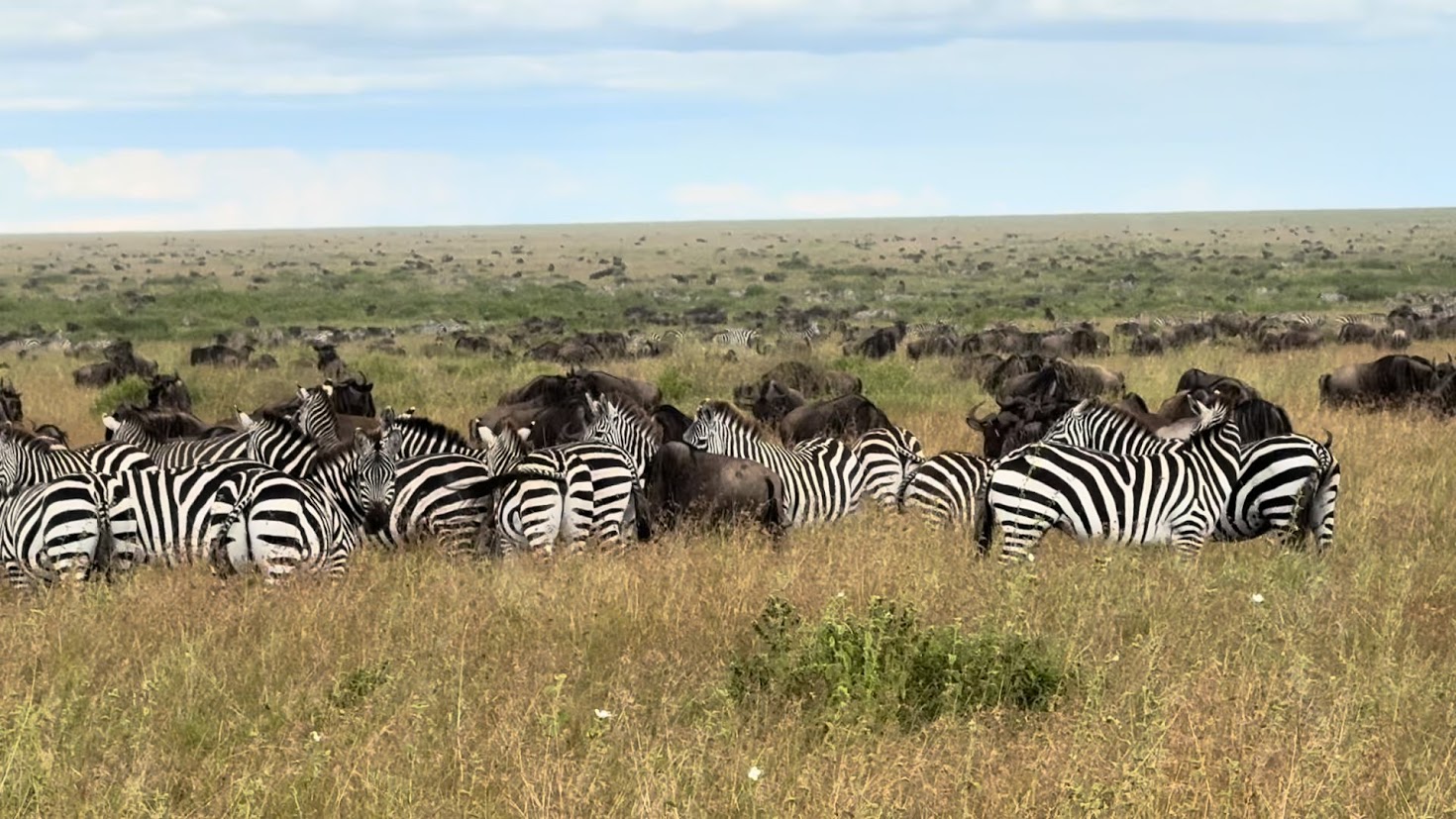
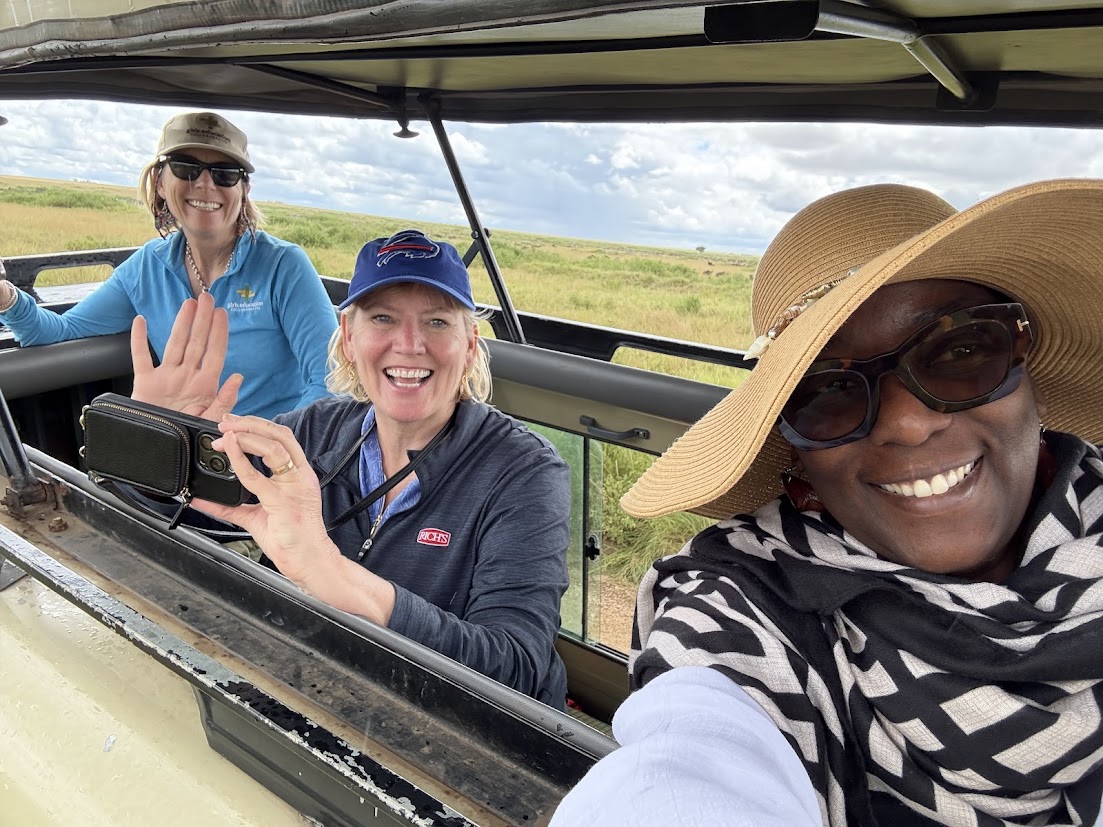
“This was something I’ve wanted to do for a while, but it’s not an easy place to get to,” said Georgia of her journey to Tanzania with incoming executive director Lois Mufuka Martin and retiring GEC founder/director Anne Robinson Wadsworth. The extensive trip began with a flight to Amsterdam, followed by two additional flights that combined for another 12 hours in the sky. The final leg of travel was a 5-hour drive to Kitenga on the west coast of Tanzania, near Lake Victoria which borders Kenya and Uganda.
“The village is very rural, which is partly why they needed the school,” explained Georgia. “It’s amazing to actually see something that you’ve only heard about or seen pictures and video reports on, but it’s very different to experience it firsthand and meet everybody in person.”
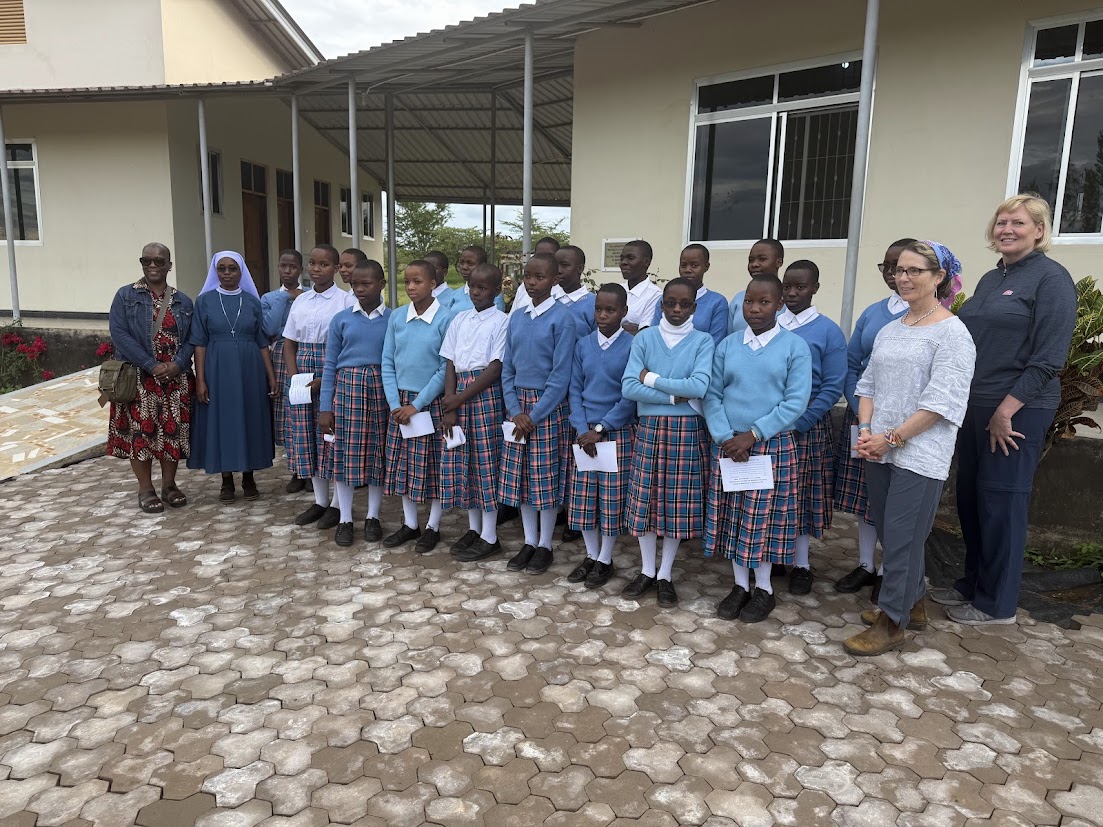
The school delayed their May 1st Workers Day celebration for the arrival of the GEC contingent, an event Georgia described as a heartfelt and exuberant recognition of teachers and staff, complete with luncheon, gifts, music and dancing.
“It was fun to see the students experience some joy because they work really hard,” said Georgia of the regimented schedule kept by students at KGSS. “The girls’ day begins at 5:30 am and they’re going until eight or nine in the evening most days. It’s very disciplined.”
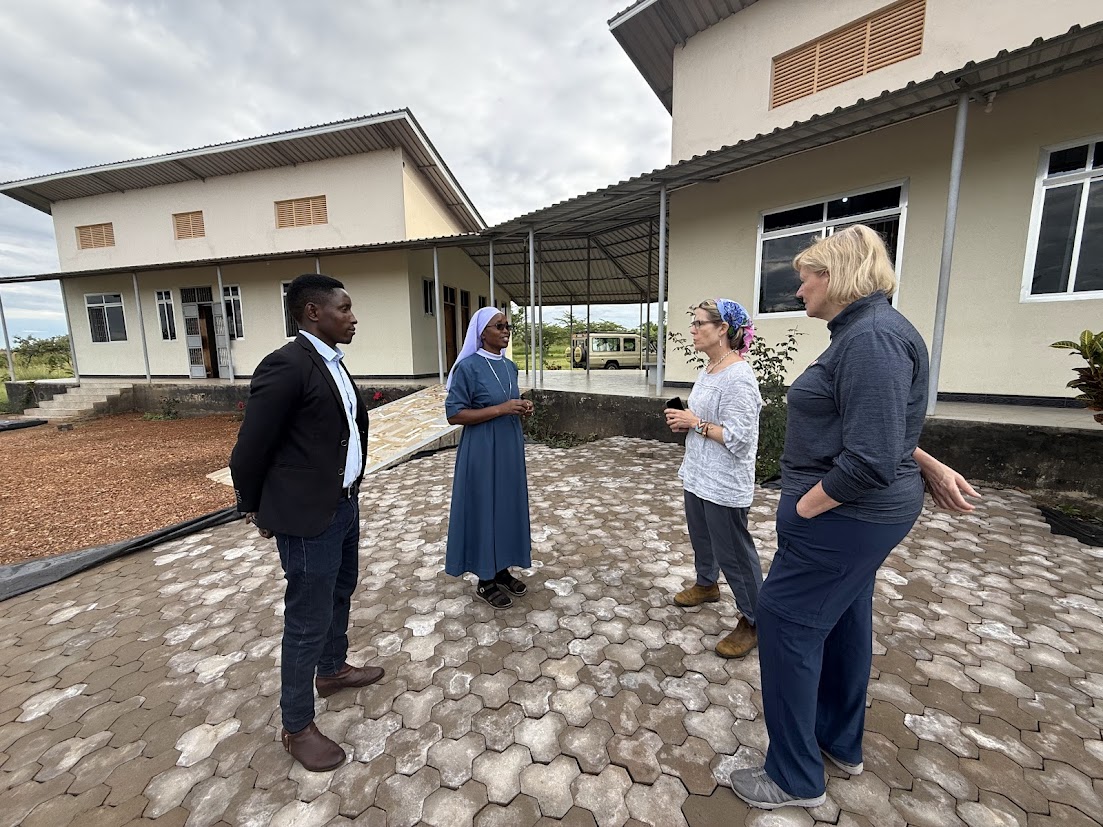
Students live on-campus, and the sisters and staff provide meals and support, but the girls also contribute through chores such as cleaning and laundry. The entire campus is largely self-sufficient with investments made in the infrastructure, including roadways, water capture and storage systems, and a permaculture garden to provide fresh produce. Efforts to make the school as sustainable as possible were necessary because of its remote nature.
As the school grows, so does the need. Additional shower facilities and dormitories will be required as KGSS nears its goal of housing and educating 300-320 students.
“One of the needs identified while talking to teachers during our visit is expanded staff residences,” said Georgia. Young male teachers expressed a desire to continue to teach at the school while fulfilling their dream of having a family. But housing is limited; teachers typically live together in 3-bedroom homes without room for extended family. To attract and retain the best teachers, the school must look for ways to meet the changing needs of teachers as well.
Educators are a critical element to the school’s success, and Georgia witnessed the indelible impression they make firsthand. She vividly recalls how the students cheered and screamed in appreciation as each teacher was announced at the Worker’s Day celebration.
“What struck me was how much everyone values education,” explained Georgia. “When we talked to some of the students who will be graduating from the 4th form this year, they talked about how much it meant to them to meet with us. They wanted to know how they can become part of GEC. They want more people to know about the need and help others get educated.”
As the students shared their dreams with Georgia, she was humbled by their desire to pay their opportunity forward. They expressed dreams of seeing more schools in Tanzania, across the continent of Africa, and throughout the world. And their dreams aren’t just reserved for girls; they see a need for more boys to be educated too.
The education transformation going on in Tanzania extends beyond classrooms and books and into villages, families and households. A crucial cultural shift is underway, thanks in part by investments made through the GEC Ally Funder Alliance in start-ups and smaller organizations that support young women outside the classroom.
A local program called Empowered Girls offers summer camps to Tanzanian schools to teach girls about their rights as individuals with the mission to empower, enlighten and equip girls to thrive.
“There are some wonderful cultural practices in that part of the world, but there are also some negative, harmful ones that people are trying to help the community move away from,” said Georgia.
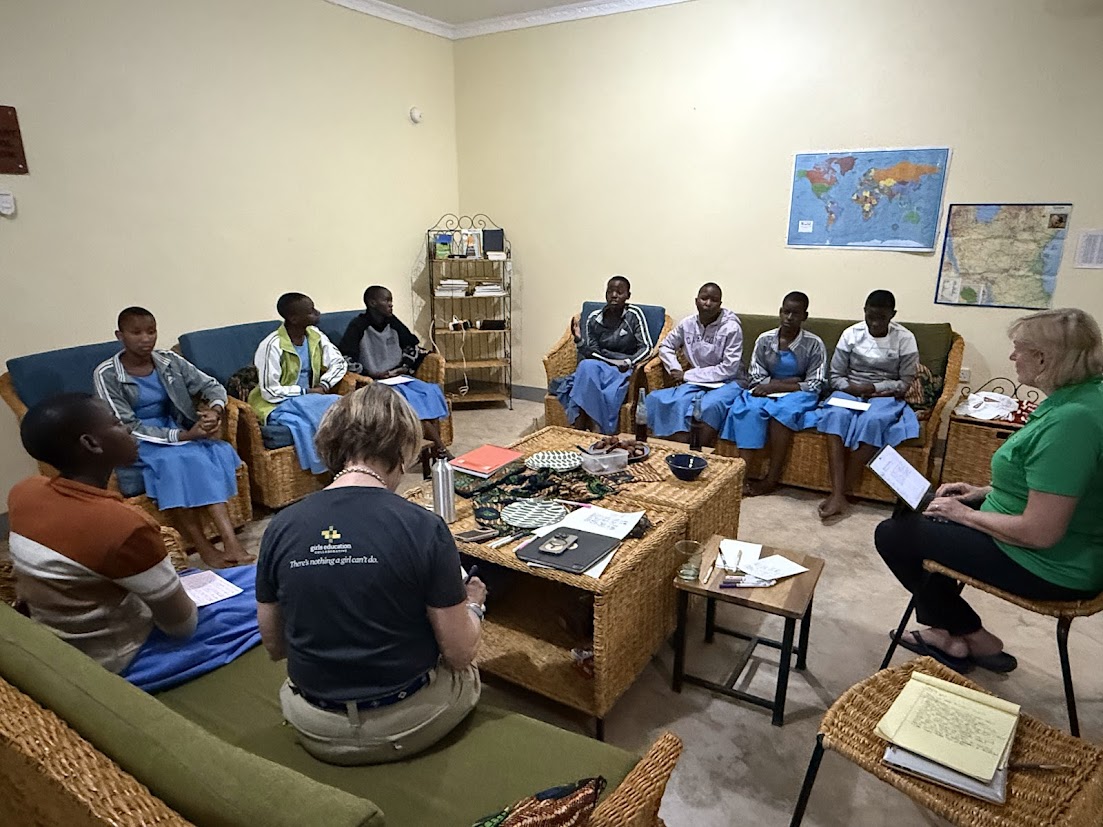
One of Empowered Girls’ programs is a vision boarding exercise in which the girls are encouraged to dream about their future without cultural or societal limitations. Many of the students Georgia met with mentioned the impact of the exercise and director Kellen Msseemmaa by name as someone locally that is an inspiration of what’s really possible.
“There are a number of students that envision a future in which they come back to the community as teachers, doctors, and all different professions to meet the needs they see in their villages,” Georgia reported.
The sisters of IHSA are also there to meet those needs. In addition to the school, they operate a community clinic and a home for children.
“They are a very small order of only 108 sisters, but they are incredibly hard working and dedicated to service and making lives better,” said Georgia. “They fill in so many gaps in the social network of the community.”
The entire trip left a lasting impression on Georgia. “I’m thankful for the support of Rich’s, Rich Family Foundation, and my fellow Rich’s associates,” she expressed. “A lot of people have asked me about my journey since returning. And a lot of people are interested in supporting the work.”
And there’s no denying that great work is being done in Tanzania. The experience provided Georgia with tangible reminders of the impact being made and she’s eager to continue her work and rally others around the cause.
“I’m confident that the students’ lives will be different, and that network will continue to spread as they reach out to other people and have their own families,” said Georgia. “Whatever their futures hold, they are going to make a difference in Tanzania.”